
Muay Thai isn’t just a sport. It’s a way of life where discipline, respect, and physical fitness play major roles. When attending your first class, you’ll notice it feels less like joining a group of strangers and more like becoming part of a team. There’s a genuine sense of community in gyms where instructors and students alike welcome newcomers with open arms and a helpful attitude.
Understanding the Basics of Muay Thai
Your first Muay Thai class will introduce you to a fusion of art and sport. Muay Thai, often known as the “art of eight limbs,” employs punches, kicks, elbows, and knee strikes. Each session combines technique, conditioning, and discipline. It is designed not only to train your body but also to focus your mind.
If you are completely new to martial arts, you might feel a bit overwhelmed by the blend of physical techniques and cultural rituals. However, breaking down the elements of a typical class can help ease any worries you may have. Many beginners focus on the fundamentals: learning the basic stance, practicing punches and kicks, and understanding how to use your body’s power effectively.
In a beginner class, expect lots of drills paired with verbal instruction. Instructors often demonstrate techniques slowly before allowing you to practice. The initial learning curve might seem steep, but all students – no matter their experience – had to start at this level. The key is to trust the process and lean into the learning experience.
To add more depth to your understanding, consider spending some extra time after the session to reflect on what you learned. Write down observations about your stance, balance, and timing. This kind of personal review can help solidify the new concepts and prepare you for increasingly challenging lessons ahead. Many practitioners find that taking notes or even discussing techniques with a training partner helps them retain new information more effectively.
Preparing for Your First Muay Thai Lesson
A little preparation can go a long way in ensuring you have a positive and successful first session. Start by doing some light stretching and basic cardiovascular exercises a few days before class. This will help you ease into the physical demands of the training session without overwhelming your muscles.
Additionally, it’s worthwhile to watch some beginner Muay Thai tutorials online. This not only builds your confidence in performing basic moves but also familiarizes you with common terminology and techniques. Understanding instructions like “clinch,” “teep,” and “spar” will allow you to follow along more easily during class.
Mentally preparing for a workout that challenges you both physically and mentally is equally important. While the prospect of learning new combat techniques may seem intimidating, remember that every practitioner once faced the challenges you have ahead of you. Your instructors and training partners are there to support your development, ensuring that you never feel isolated in your struggle to learn.
Many students also find that setting a few personal goals before their first class can be very helpful. Whether your aim is to improve your fitness, learn self-defense, or simply try something new, having clear objectives provides you with extra motivation and a sense of purpose. Sometimes, teammates even share goals, making the overall experience more interactive and encouraging further growth.
What to Expect in a Beginner Muay Thai Class
The atmosphere in a beginner Muay Thai class is both dynamic and supportive. From the moment you walk in, you’ll notice that students greet each other like old friends. This warmth creates an environment of camaraderie. While the focus remains on learning, the communal spirit makes the experience much more welcoming.
During class, expect to spend time in several activities that build different aspects of your training:
- Warm-up and Stretching: Your session will likely start with light exercises to get your body moving, such as jump rope, shadow boxing, and dynamic stretching. These activities prepare your muscles and help reduce the risk of injury.
- Technique Drills: The instructor will break down the basic strikes, blocks, and movements. You might practice forms and specific techniques repeatedly to build muscle memory.
- Pad Work: Working with a partner or trainer on pads is common. This helps you understand timing, distance, and coordination. You may practice combinations of strikes in a controlled setting.
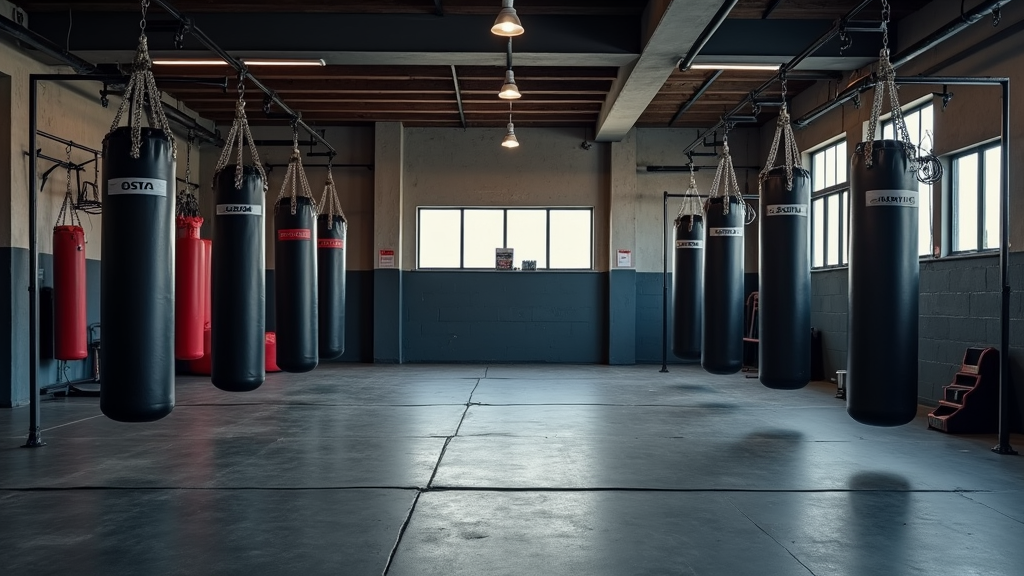
- Bag Work: Heavy bag drills allow you to apply power and see how your strikes change when hitting a target. This step builds confidence and endurance.
- Cool Down: At the end of the class, you’ll notice a period set aside for cooling down that focuses on stretching and sometimes a brief meditation to relax your mind and body after the intense workout.
Every session can feel a bit intense, but the methodical pace and the supportive instruction make it accessible even for complete beginners. Instructors understand that everyone develops at their own pace, and it is perfectly acceptable to take breaks or ask for clarification when needed.
After the class, many students find it useful to engage in a short discussion with peers or instructors. These conversations serve as a way to clear up any confusion and reinforce correct techniques. Sharing insights and asking follow-up questions is a natural part of the learning process and helps create a lasting bond among class members.
What to Bring/Prepare to Your First Class
Knowing what to bring and wear can reduce a lot of first-day anxiety. Typically, you should wear comfortable athletic clothing that allows for a full range of movement. Loose t-shirts, workout shorts, or athletic leggings work best, as you will be performing a variety of moves that require flexibility.
The appropriate footwear is another topic worth mentioning. Most beginners train barefoot or wear shoes specifically designed for martial arts if the gym requires them. It is always a good idea to check with your gym beforehand to see if any particular footwear is recommended or required.

When it comes to essential items, consider packing the following in a small gym bag:
- Water Bottle: Staying hydrated is very important. A water bottle ensures you can sip water throughout the class without having to wait until scheduled breaks.
- Towel: Workouts can be intense and you’ll likely sweat(a lot). A towel will help you stay dry and can be used to wipe off sweat after the session.
- Hand Wraps: These are used to reinforce your hands and provide extra support when throwing punches. They help protect your knuckles and wrists during intense drills.
- Appropriate Clothing: Consider packing an extra set of clothes if you plan to shower after class, as you will likely work up a significant amount of sweat in a non-air-conditioned space.
- A Positive Attitude: Perhaps the most important item is your mindset. Be open to learning, willing to make mistakes, and ready to enjoy the process. This mental preparation is key to embracing the challenges ahead.
If you’re not sure whether you have everything, consider giving your gym a quick call ahead of time. Most gyms are happy to provide guidance on what their students typically bring and wear during training sessions. This proactive approach not only helps you pack appropriately but also eases your nerves by setting clear expectations for the day.
Addressing Nervousness: Should You Be Nervous?
Feeling nervous before your first Muay Thai class is completely normal. Many newcomers worry about whether they will be able to keep up with the pace or understand the terminology. However, beginner classes are designed precisely to accommodate newcomers who are just starting out.
Instead of viewing nerves as a setback, try to see them as an indication that you care about the discipline you are about to learn. Here are some effective techniques to help you manage your nerves:
- Practice some breathing exercises to help calm your mind before the session begins.
- Arrive a little early so you have time to settle in, observe a warm-up, or even chat with other beginners.
- Remind yourself that everyone started at the beginning; even your instructor once had to be a newbie.
It’s very important to remember that the instructors want you to succeed and are eager to support your progress. The welcoming atmosphere helps to minimize any anxiety, making it easier to take that first step into classes with confidence.
Joining the Team: The Culture and Community Aspect
One of the most enriching aspects of taking your first Muay Thai class is the community. The gym is not just a place to learn how to fight. It is a hub where people come together to support one another and share a passion for the sport. This collective spirit goes a long way in making the learning process enjoyable.
The culture within the gym underscores respect, camaraderie, and dedication. When you step in, you may hear traditional music, witness ritualistic gestures, and experience the deep-rooted respect that is an essential part of Muay Thai. Such traditions help create an environment where everyone feels safe and valued.
Both students and trainers are encouraged to help each other improve. This naturally creates mentor-mentee relationships among peers. Whether you are asking for pointers or sharing your own insights, this supportive framework ensures that every participant feels like a vital member of the team.
Beyond the physical training, many practitioners enjoy discussing life lessons learned through the discipline. Conversations often segue into topics such as perseverance, respect for others, and the benefits of a healthy lifestyle. These interactions contribute to a sense of belonging and make every training session a memorable experience.
Additional Tips for Maximizing Your Experience
The following advice might help you get even more out of your first and subsequent Muay Thai classes:
- Ask Questions: There is no such thing as a silly question. The more you ask, the more you gain insight into the finer points of the techniques being taught.
- Listen and Observe: Watch the instructor’s demonstration very carefully and try to mimic the movements. Observing experienced practitioners can serve as a live tutorial in itself.
- Keep a Training Journal: Writing down what you learn in each session can help track your progress. This habit allows you to note corrections, reflect on improvements, and set realistic goals for future classes.
- Rest and Recover: Building new muscle memory and strength takes time. Allowing your body adequate rest between training sessions is essential to maintain a steady pace of improvement.
- Stay Consistent: Even when certain sessions feel tougher than others, regular practice is key. Commitment to a consistent training schedule will help you steadily progress towards mastering the discipline.
In addition, many students find that supplementing their class schedule with additional cardio or strength training at home helps reinforce the techniques learned during class. Whether you choose to shadow box in your living room or go for a light jog, extra practice can give you a tangible boost in both stamina and confidence.
There is also a growing trend of community meetups outside the gym, where students share training tips, watch professional bouts together, and even organize mini-seminars on nutrition and recovery. These gatherings can provide both motivation and valuable insights that extend far beyond the gym walls.
Frequently Asked Questions
Question: What should I expect during the class?
Answer: Expect a session that includes warm-up routines, technique instruction, pad work, and perhaps some light sparring. The schedule is arranged so that you gradually build up skills while feeling supported by the training team.
Question: How do I prepare for the session?
Answer: Prepare by doing light exercises at home, watching introduction videos, and ensuring you have comfortable workout clothes. Also, get enough rest so you’re both mentally and physically ready to learn.
Question: What should I bring with me?
Answer: Bring a water bottle, towel, and any personal gear suggested by the gym, such as hand wraps. If you are unsure of additional items, it is a good idea to ask ahead of time.
Question: Should I be nervous?
Answer: Feeling nervous is completely normal. The environment is very welcoming, and the instructors are there to guide you. Embrace the nerves as a natural part of the learning process, and trust that with every subsequent class, your confidence will grow.
Final Thoughts on Your First Muay Thai Class
Your initial class is just the start of what can be an incredibly enriching adventure. From learning the basics and proper form to enjoying a very supportive community, the experience has been carefully designed to welcome newcomers. With proper preparation, a clear understanding of what lies ahead, and an open heart, you will soon find yourself relishing every moment of the process.
Remember that every expert was once a beginner. There is no need to be overly nervous as you walk into the gym for your first session. Instead, focus on the experience, appreciate the camaraderie, and soak in every opportunity to learn a fantastic martial art that offers benefits far beyond just physical training.
If at any point you feel uncertain, remind yourself that you are joining a team where every member is ready to offer support. The continuous progress, step by step, will lead you toward both mastery of Muay Thai and a more resilient sense of self.
To wrap things up, keep challenging yourself and stay committed. Every class is a fresh opportunity to push your limits, learn something new, and build both physical and mental strength. The journey may be gradual, but every effort you invest today lays the groundwork for a healthier, more confident tomorrow.